“The crew arrived on time, worked professionally, and paid close attention to every detail.”
Pennsylvania service-area pages
Start with the location closest to the property or review the complete Pennsylvania service list.

Pennsylvania gutter specialists
Based in Sinking Spring, serving Reading and Berks County with gutter installation, repair, cleaning and guards. Start with the service your home needs.

What we can help with
Choose the work you need today, or start with an estimate and we will help you find the right next step.
A clean, custom-fit system designed around your roofline and how water moves across your home.
Straightforward repairs for leaks, loose sections, poor drainage, and worn-out gutters.
Remove debris, clear accessible downspouts, and restore the path water needs to follow.
Reduce recurring buildup with a protection option selected for your roofline and surroundings.
Coordinate the visible roof edge, ventilation needs, and gutter attachment in one clear scope.
Correct disconnected, damaged, or poorly routed downspouts so water moves away from the home.
Verified local feedback
 Google Reviews5.0
“The crew arrived on time, worked professionally, and paid close attention to every detail.”
Start with the location closest to the property or review the complete Pennsylvania service list.
“They stuck to the quote and had incredible attention to detail.”
“The team was fast, professional, and everything looks like new now.”
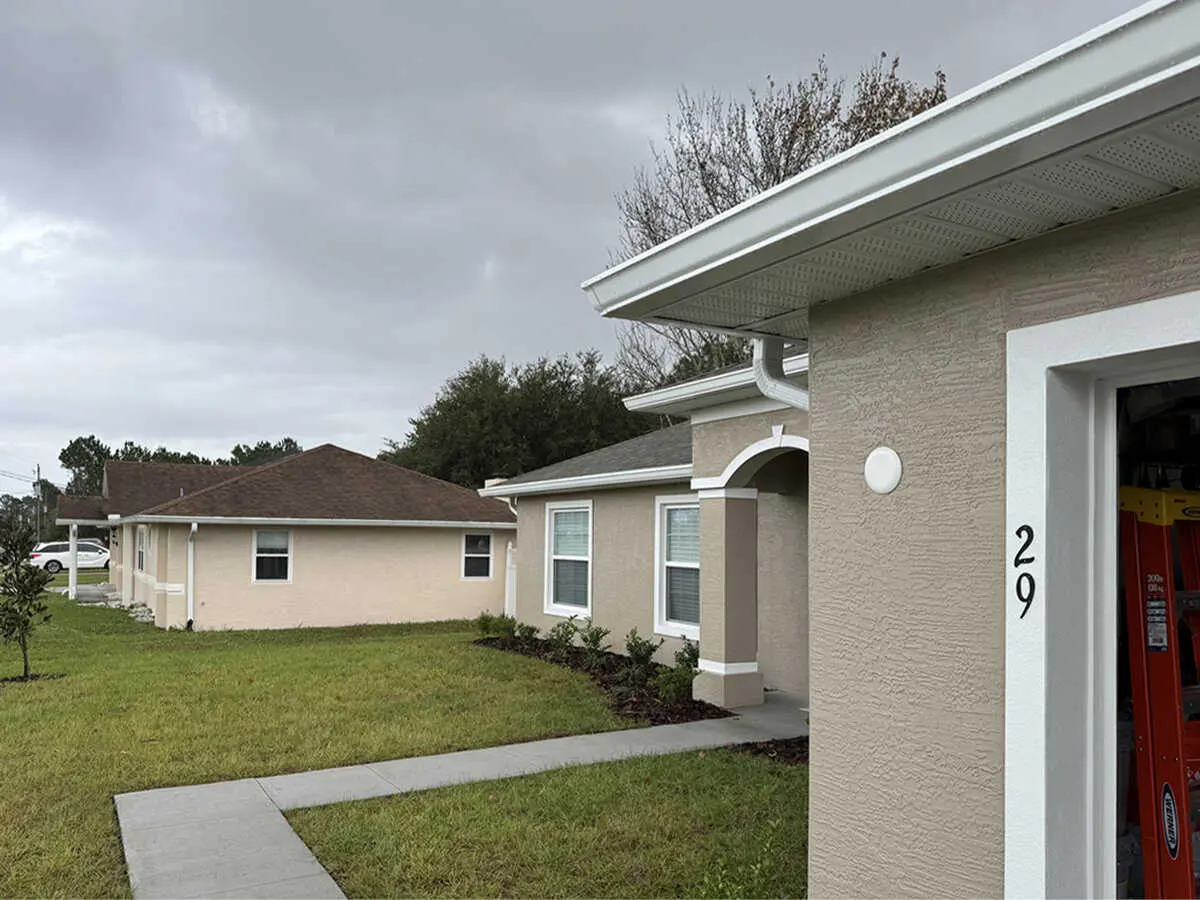
The Gutters Marketplace approach
We make the decision easier: understand the issue, explain the choices in plain language, and build a solution that suits your home.
Simple from the start
Share the address, the concern, and the best way to reach you.
We assess the roofline, drainage path, and accessible conditions on site.
See the recommended work, options, and price before you schedule.
The work is finished, water flow is checked, and the area is cleaned.
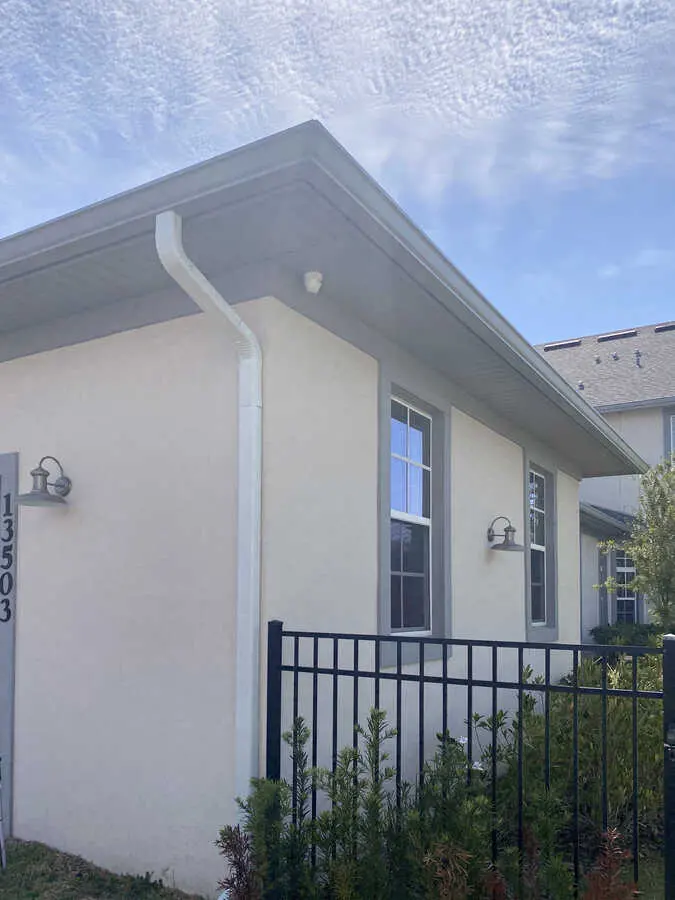
Installation gallery
Real installation details from the Gutters Marketplace project library — selected to show fit, finish, and drainage.



Local Pennsylvania service
We serve properties up to 50 miles from ZIP 19608. Send us your address and we’ll confirm availability and recommend the right next step.
Check your addressBefore your estimate
These are the questions we hear most often. If your situation is different, call us and we will help you understand the next step.
(484) 339-4177We install custom-fit seamless aluminum gutter systems. Each run is measured for the home, formed on site for qualifying installations, and paired with a downspout layout designed around the roofline and drainage needs.
Aluminum is rust-resistant, low-maintenance, and available in finishes that complement the exterior. Longer seamless runs also mean fewer joints, helping reduce common leak points and create a cleaner finished look.
With professional installation and regular care, aluminum seamless gutters can last 20 years or longer. Lifespan depends on exposure, surrounding trees, maintenance, and accidental or storm damage.
Pricing depends on linear footage, roofline complexity, building height, access, removal of existing gutters, and any added protection or drainage work. We provide a written scope and price before scheduling.
Yes. When the roof edge needs coordinated work, we can assess the gutter system, leaf protection, soffit, fascia, and downspouts as one project and explain which items should be completed together.
Qualifying new installations include a 10-year workmanship warranty, and selected materials carry up to a 20-year material warranty. The exact coverage and exclusions are included in your written agreement.
Use these Pennsylvania homeowner guides to understand common drainage restrictions and compare the next practical step before requesting an estimate.
PROJECT PLANNING
A reliable project starts with the water path around the actual home: roof edge, gutter run, outlet, downspout, and the area where water is discharged. Comparing those connected pieces makes it easier to decide whether the immediate need is cleaning, repair, guards, installation, or downspout work.
A useful review looks beyond the part that is easiest to see from the driveway. Water can arrive at one corner from a valley or upper roof, move through a long gutter section, then slow down at an outlet, elbow, or lower connection. That is why an apparent leak, overflow, or stain should be considered alongside the direction of flow, the support of the gutter, and where the downspout releases water.
Before an estimate, keep the observations simple. Note the side of the home, the first location where water appears, whether the issue is repeatable, and whether it changes after leaves collect or during stronger rain. Mention a downspout that empties near a walkway, planting area, or foundation. A ground-level photo can be useful, but there is no need to climb onto a roof or ladder to investigate the condition.
Maintenance and corrective work serve different purposes. Cleaning is intended to restore normal flow when debris is the obstacle. Guards can be considered when debris repeatedly makes maintenance difficult. Repair may address a loose section, seam, outlet, or downspout connection. When multiple connected runs have ongoing problems, an installation discussion may be more appropriate. The goal is to recommend work that fits the observed condition instead of applying one solution to every symptom.
Access, safety, and prior exterior work are also useful to share. Tell the estimator about areas above porches, upper roof sections, landscaping that affects the outlet, or recent roofing and siding work. These details help determine how the roofline should be checked and whether a focused correction is likely to address the issue or whether related components should be assessed in the same visit.
The roof edge, gutter run, support and slope, corners and seams, outlet, downspout, and final discharge path should be considered together. Looking at the complete route helps identify conditions that may not be visible from one location alone.
A focused repair can be a good fit when the problem is isolated and nearby sections remain secure, aligned, and draining properly. A site review can explain whether the reported condition is truly limited or connected to a larger water-flow concern.
Gutters work as a connected drainage system: roof runoff enters at the edge, travels along a properly supported run, leaves through outlets and downspouts, and should finish at a location that makes sense for the property. Looking at that full path is more useful than judging one visible section alone. Roof pitch, valleys, tree cover, gutter condition, ground slope, and prior construction all influence the right next step.
For properties in Pennsylvania and the Berks County area, start by watching what happens during ordinary rainfall from a safe position on the ground. Notice repeated overflow, splashback, pooling, stains, loose sections, or downspouts that discharge too close to the structure. Those observations help distinguish a maintenance need from a capacity, slope, attachment, or routing issue.
A durable result is usually based on clear measurements, an understandable scope, and a final check of visible flow paths. That approach makes it easier to choose work that fits the home rather than a generic package that does not address the actual condition.
Water-management decisions are easier when the roof, gutter line, downspouts, and ground conditions are considered together. A visible overflow can start at a clogged outlet, a short gutter run, a steep valley, a loose section, or a discharge point that cannot move water away fast enough. The right next step depends on the evidence at the home, so an onsite recommendation should explain both the symptom and the likely cause.
Seasonal care is part of that process. Leaves and roof debris can change how a system performs, while storms can reveal a weak attachment, a worn seam, or a route that is no longer adequate. Periodic ground-level observation is safer than climbing a ladder and gives a homeowner useful details to share: where water appears, how often it happens, whether it affects a walkway or wall, and whether it has changed since roof work or landscaping changes.
When comparing proposals, ask what work is necessary now, what is optional, and how each choice affects drainage. A clear scope should identify the gutter runs, outlet and downspout locations, materials, visible repair work, and any conditions that may require coordination with another trade. This makes the work easier to review and gives you a basis for maintaining the system after installation.
Start with the condition you can confirm and the outcome you want to achieve. A home may need straightforward cleaning, a focused repair, new gutters, a different downspout route, leaf protection, or coordinated roof-edge work. These options are not interchangeable, so the recommendation should connect the observed condition to the proposed work in plain language. If an option is preventive rather than urgent, it should be identified that way.
Once the scope is clear, scheduling can take account of weather, access, and other exterior projects. After completion, continue to observe the system from the ground during normal rain. Early attention to a changed flow path, new debris accumulation, or a loose component makes routine care simpler and helps protect the work that has already been completed.
Before choosing a service, identify the exact outcome you need: restoring a clear route, correcting a leak or loose section, increasing capacity at a high-flow area, improving a downspout discharge, or coordinating related roof-edge work. Each remedy solves a different problem. A complete scope should name the affected runs and outlets, explain the material and access assumptions, and describe what will be checked once work is finished.
After a project is completed, observe the system during ordinary rain from the ground and keep maintenance in step with local tree cover and seasonal weather. If the flow changes, address the new observation early. This simple record of conditions, work performed, and drainage behavior makes future service decisions clearer.
Ready when you are
Leave three quick details and our Pennsylvania team will call to discuss the property and the next step.
Prefer to call? (484) 339-4177