
A Ground-Level Gutter Check After a Central Florida Storm
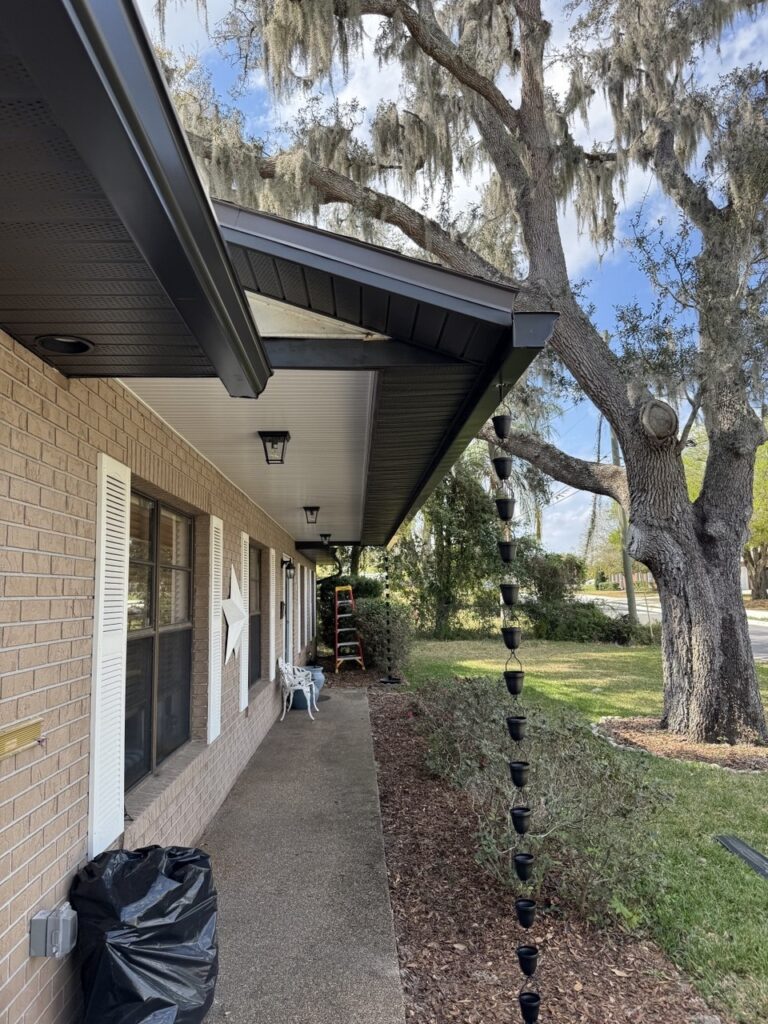
Use this guide after dangerous weather has passed to record what changed at the roof edge, downspout and ground discharge point. It separates front-edge overflow, water behind the gutter and leaking joints, and explains which wide photos and rain observations help an inspection. The repair-handover checklist distinguishes debris removal, secure attachment, watertight seams and drainage checks. It also shows how to record unresolved roofing, fascia or buried-drain concerns and compare the same locations during a later rain without climbing or assuming one repair solved every storm-related problem.
Questions to Ask Before Installing Gutter Guards in Central Florida

Compare a guard proposal by the debris it must handle, the condition of the existing gutter, the roof-edge attachment and access to outlets. This guide asks how valleys and heavy runoff will be handled and what cleaning remains necessary. Two hypothetical warranty calls distinguish surface debris from a blockage beneath the cover, and a defective part from the labor needed to replace it. Use the questions to obtain the exact product terms, maintenance method, responsible service contact and any inspection, removal or reinstallation charges before choosing an installer.
Why Water Pools Near a Downspout in Central Florida
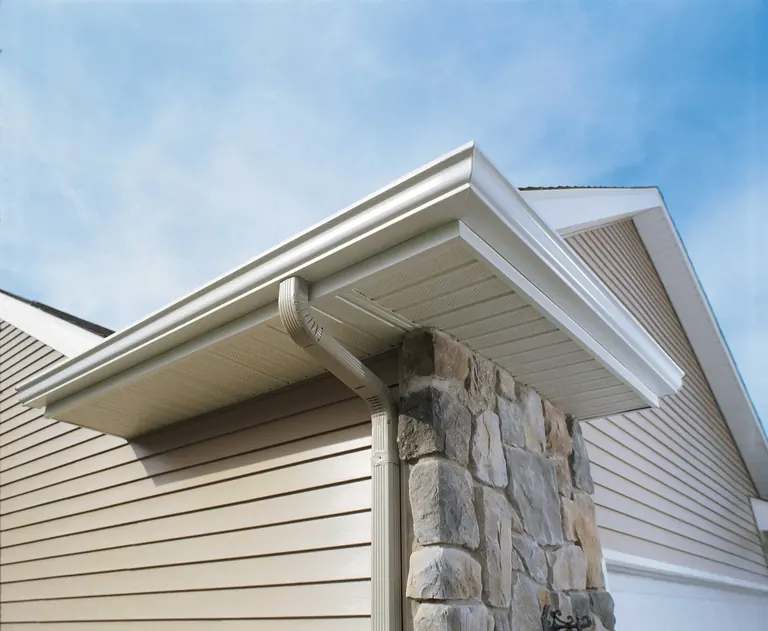
Trace where water first stops moving: inside the gutter, through an outlet or elbow, at an underground adapter, or after a freely flowing downspout reaches the ground. The guide compares these patterns with shifted extensions, landscape changes and roof-valley runoff. Before approving a buried drain, it explains the questions to ask about the destination, overflow route and cleaning access. It also distinguishes a rain garden that drains after storms from a persistently wet depression, helping separate gutter work from a soil or downstream drainage assessment.
Why Water Runs Behind Gutters on Central Florida Homes
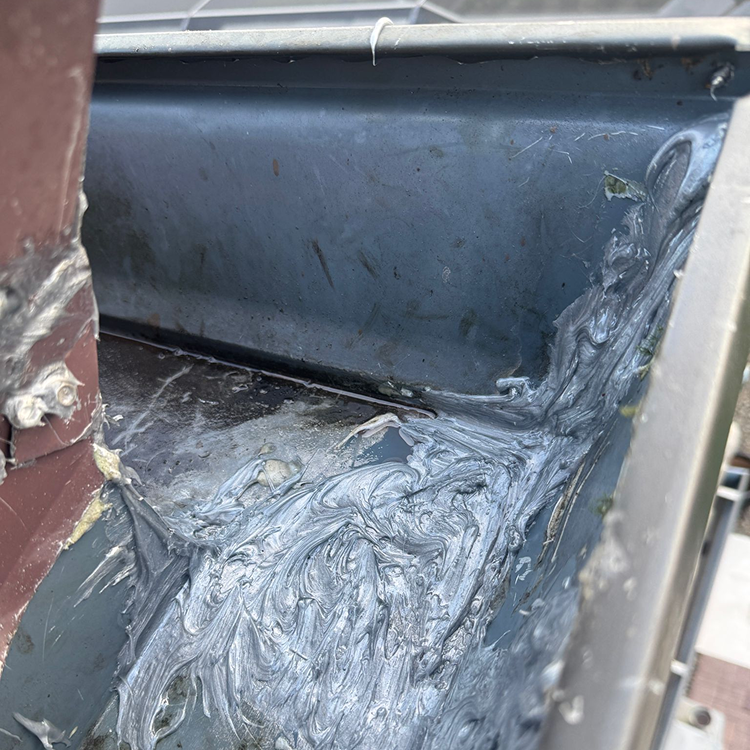
Distinguish rain passing behind the gutter from front-lip overflow or a seam leak that travels along the outside. This guide explains why the first visible water, the timing during rain and the roof features above it matter more than the puddle below. Its roof-edge section asks how the drip edge, gutter back and any existing apron direct water into the trough without improvised cutting or bending. Use the photo checklist and proposal questions to separate gutter positioning, outlet restrictions, roofing work and fascia concerns before authorizing a repair.
Gutter Guards for Pine Needles in Central Florida: What to Check First
Check how narrow needles and fine roof debris can collect at guard openings, panel seams, back edges, corners and high-flow valleys. The guide starts with the condition of the uncovered gutter and its outlets, then distinguishes material on the guard surface from a restriction underneath. It explains why a photograph of needles alone cannot establish whether the gutter interior is clear. Product-specific maintenance examples help frame questions about approved tools, safe access and whether a service visit covers surface cleaning, opening a panel or clearing a downspout.
How to Compare Gutter Replacement Quotes in Central Florida

Put competing proposals on the same scope before comparing their totals: roof edges, final measurements, gutter specification, downspout endpoints, removal and disposal. A hypothetical house-and-garage example shows how a lower total can cover fewer runs, reused downspouts or separately charged cleanup. The guide includes a short message for requesting missing details and explains how concealed fascia work should be documented and approved. It also separates installation scope from warranty terms, completion checks and payment schedules so the final comparison reflects the work each contractor actually offers.
What to Do When a Gutter Joint Leaks in Central Florida
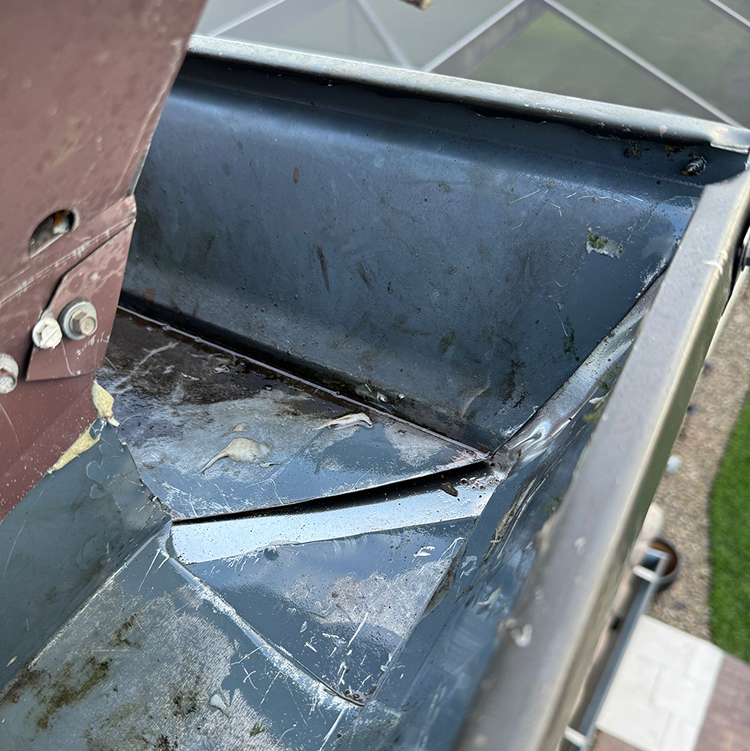
Find out why a seamless gutter system still has joints at corners, end caps and outlets, and why a drip there does not always identify the original fault. This checklist compares a leaking connection with backed-up drainage, poor alignment, loose supports and concentrated valley runoff. The repair-scope section explains preparation, compatible sealant and checking the outlet after work, using manufacturer guidance rather than treating a fresh bead as a complete repair. It also distinguishes what a controlled flow check can show from conditions that need a wider storm-capacity assessment.
How Often Should Gutters Be Cleaned in Central Florida?

Build a cleaning schedule around the debris and runoff observed at the property, including storm-blown material, roof valleys, pine needles and restricted elbows. This guide distinguishes an inspection from a completed cleanout and describes what accessible gutter and downspout service should cover. Its record-keeping example shows how repeated trouble at one outlet can justify an earlier targeted inspection instead of identical whole-house visits. If overflow returns after a confirmed clear outlet, the next step may be a repair or drainage assessment rather than simply shortening the cleaning interval.